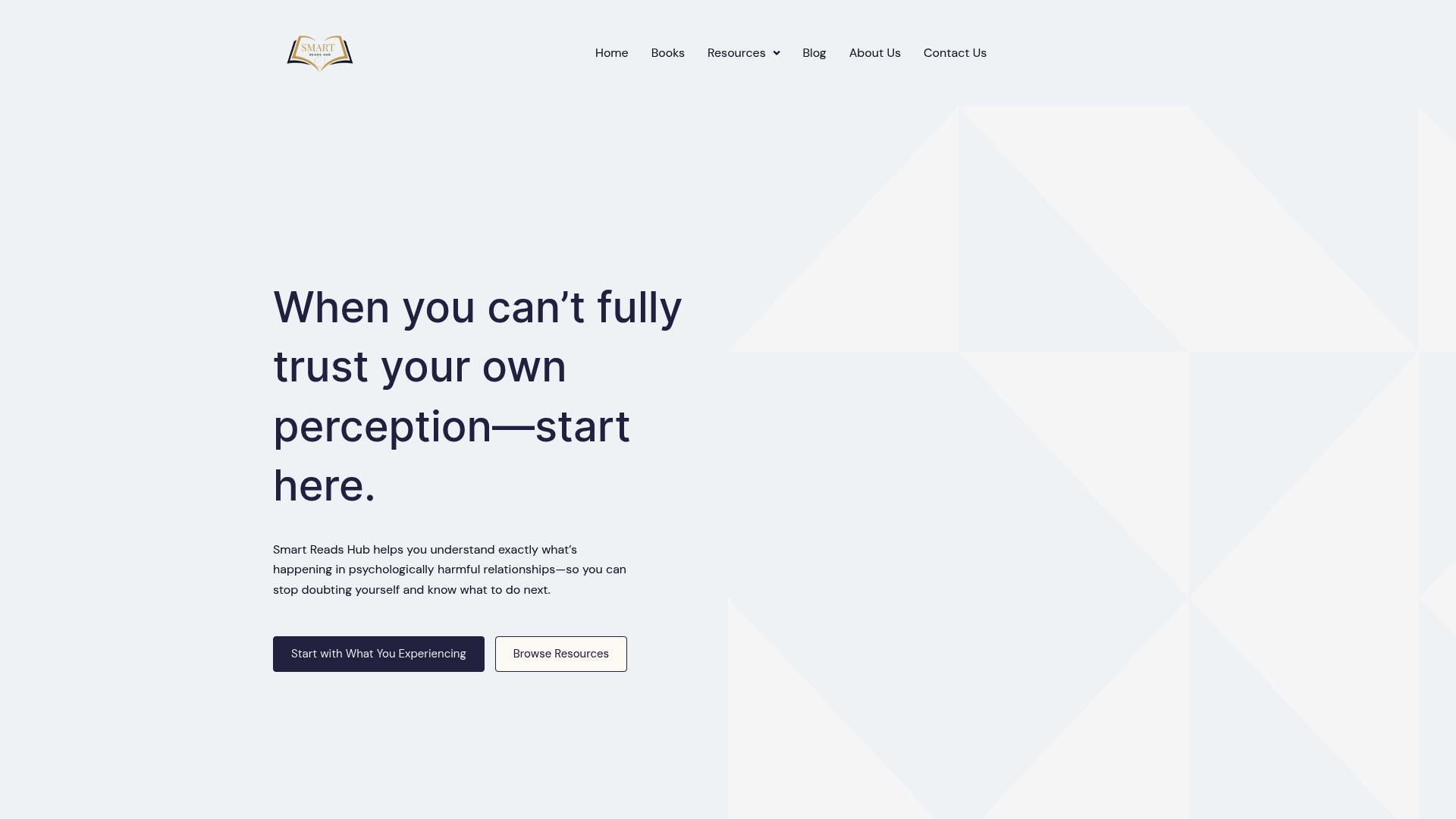
Finding credible narcissistic abuse recovery books and support resources that are tailored to different recovery stages and needs is difficult. Many sources bury readers in generic lists, skip survivor-led programs, or require payment for critical assessment tools. This comparison highlights four educational sites, peer-support networks, and targeted workbooks so survivors, caregivers, and counselors can match resources to their specific situation.
Deeply curated, research-backed resources focus on language, patterns, and recovery strategies for complex relationship issues. The site emphasizes book recommendations and explainers that match specific abusive behaviors. It centers on helping people name manipulation and set boundaries without offering clinical diagnosis.
Curated book lists focus on gaslighting, narcissistic abuse, manipulation, and boundary setting. The site organizes reading and articles by relationship pattern and stage of recovery, so readers find guides and resource links aimed at practical next steps. Content includes guides on recovery strategies and in-depth articles that explain manipulation and emotional harm.
Provides deeply curated, research-backed psychological resources focused solely on the language, patterns, and recovery strategies for complex relationship issues. The editorial focus narrows material to explain behavioral patterns and the words people need to describe their experience.
Smart Reads Hub curates high-quality books and guides grounded in psychological research and practitioner experience, which shortens the time members spend searching for credible sources. The resource set teaches specific language for manipulation and abuse, so readers can name patterns clearly when they speak with friends or professionals. The site favors self-education and reading paths rather than replacing therapy.
People recovering from emotionally manipulative relationships who want research-backed reading and clear explanations. Readers who need precise language to identify gaslighting, narcissistic abuse, or boundary violations. Counselors and support-group leaders who want curated book recommendations to share with clients.
Curated reading mapped to recovery stages speeds learning and reduces overwhelm for people sorting conflicting advice. That mapping helps a reader move from initial recognition to concrete steps, such as practicing boundary language or choosing a workbook. For professionals, the mapped lists save time when assembling reading plans for clients.
A person suspects they have experienced gaslighting and starts with the sites recommended books for early-stage recognition. They read targeted explainers that clarify common manipulation tactics and practice boundary phrases from the guides. Over weeks, the reader builds a short list of practical resources to discuss with a counselor or a trusted friend.
Website: https://smartreadshub.info
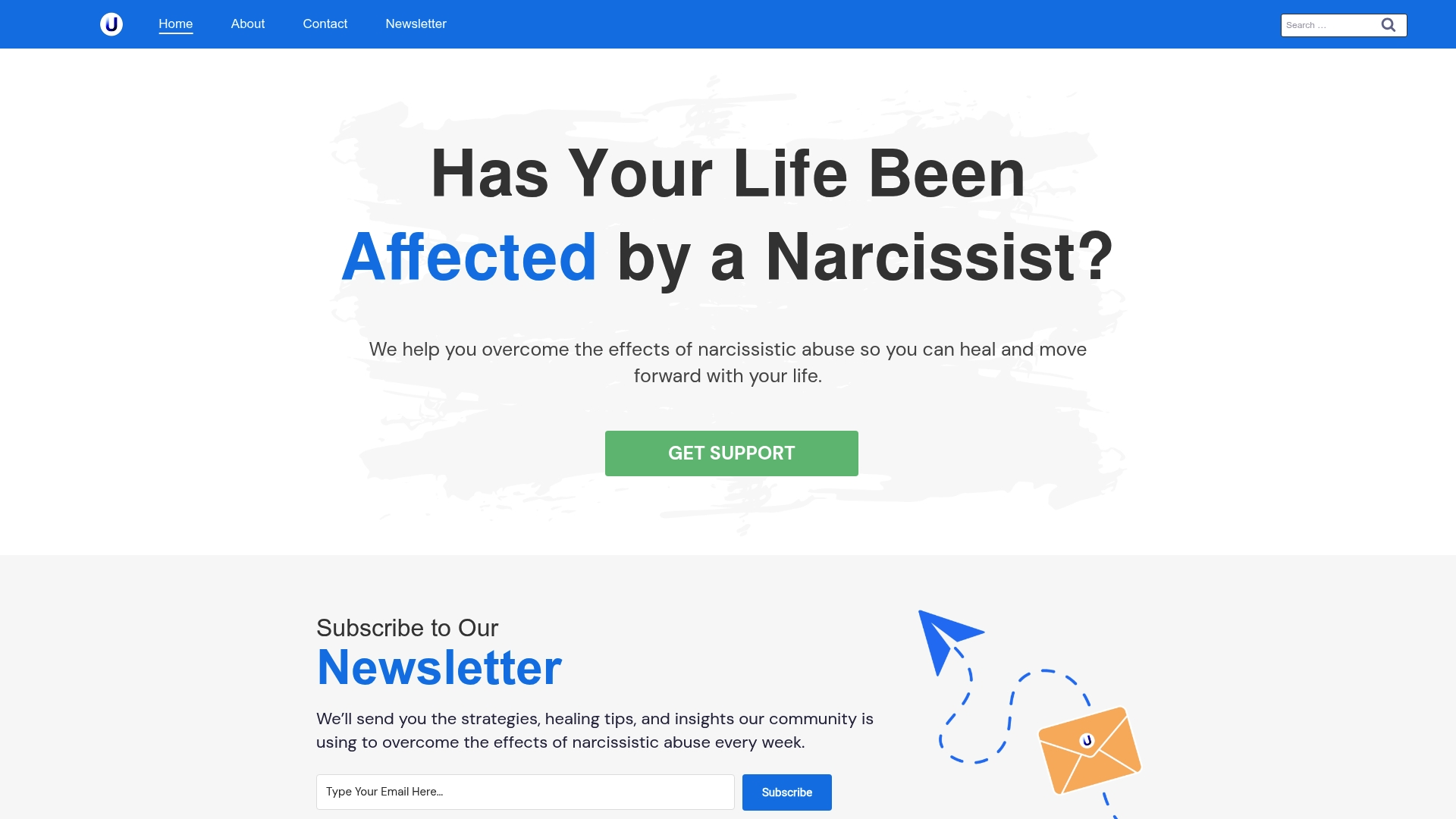
Free one on one support sessions run daily through Unfilteredd. The organization launched in 2021 in Finland and mixes professional expertise with lived recovery experience. It publishes articles, podcasts, and videos while running community events and moderated forums to support global readers.
Unfilteredd offers one on one support sessions alongside an editorial library of educational articles, podcasts, and videos that explain narcissistic abuse and recovery steps. The site lists licensed mental health professionals among its contributors and keeps a quality review process for published material. Community members can join community forums and live events for peer support and moderated discussion.
Unfilteredd combines clinical knowledge from licensed contributors with accounts from people who lived through narcissistic abuse. That pairing aims to make clinical ideas more accessible and trustworthy for readers. The approach narrows the focus to recovery education and peer connection rather than formal clinical treatment.
Accessible support shows up as free daily sessions and a large mix of written and audio resources for readers who prefer different formats. Qualified professionals contribute to articles, and the editorial review process targets accuracy and inclusivity. The platform supports global access because most resources and sessions occur online, and community events create regular chances to connect with peers.
Services are educational and supportive, not clinical therapy. This makes Unfilteredd unsuitable as a replacement for ongoing, personalized treatment.
The site does not publish details about specific therapeutic methods or measurable success rates. That limits evaluation for people seeking evidence of clinical outcomes.
Support relies heavily on online and virtual interaction. People who need in person care or trauma-focused clinical services will likely need additional local resources.
If you need formal diagnosis, medication management, or structured clinical therapy, Unfilteredd will not meet those needs. People requiring immediate crisis intervention or legally documented treatment plans must seek licensed clinicians or emergency services. If you prefer in person therapy, the platform’s online format will feel limited.
This community serves people who want reliable education about narcissistic and relational abuse and peer contact with others who share similar experiences. It fits readers who benefit from guided articles, podcasts, and occasional one on one support without the cost of paid therapy. Family members and supporters seeking better language and insight will also find useful resources.
A reader suspects their partner shows narcissistic patterns and wants context before contacting a therapist. They read several articles, listen to a podcast episode, and join a free one on one session to ask practical questions. Afterward they use the community forum to compare safety steps and find local referrals for clinical care.
Website: https://unfilteredd.net
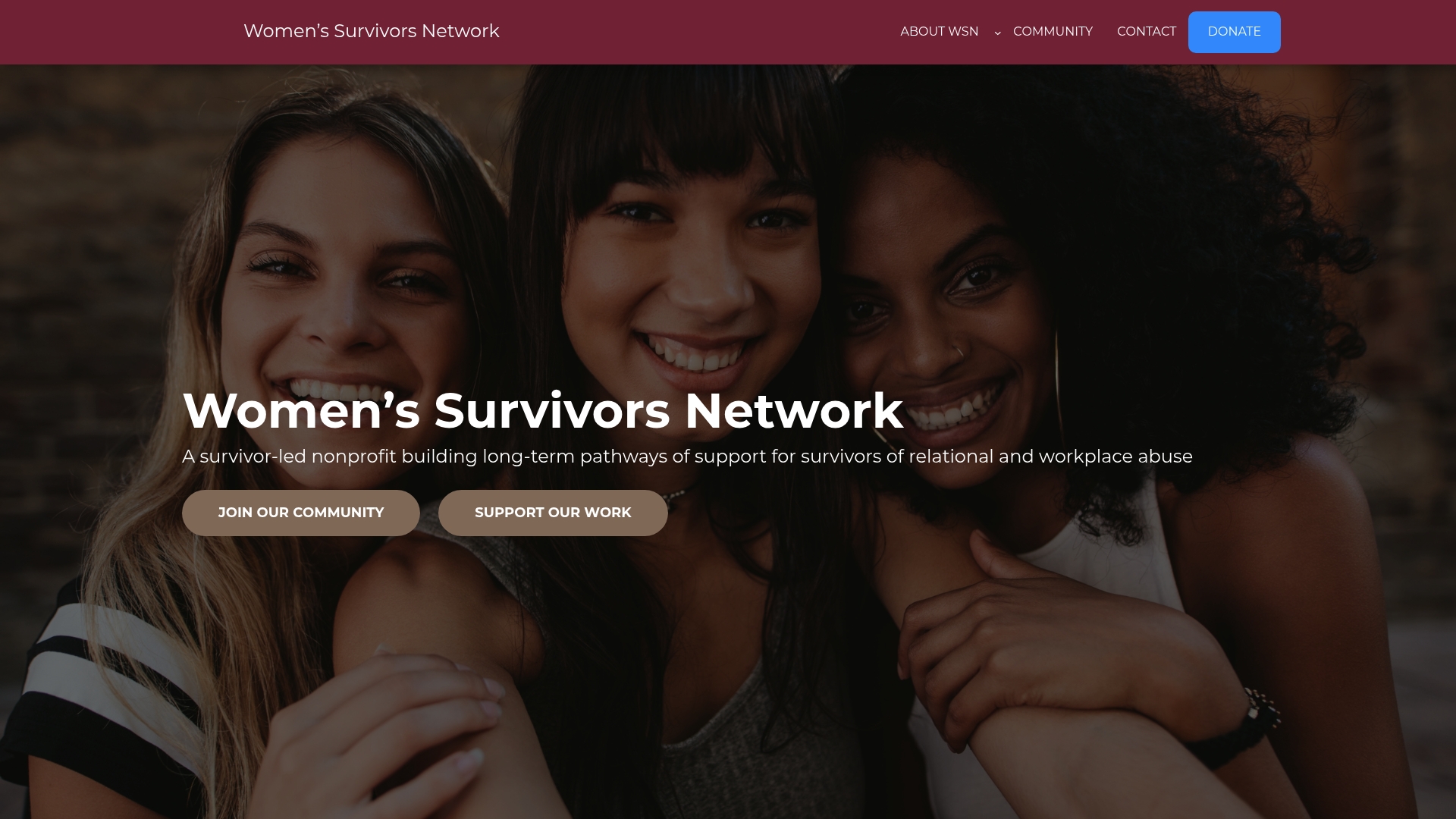
The group centers leadership by survivors while building long term pathways of support for relational and workplace abuse. It combines navigation, partnerships, training, and advisory work guided by survivor experience. The organization is in early development and currently offers pilot services and partnership opportunities.
Womens Survivors Network provides survivor navigation to help people name experiences and plan next steps. The group runs trauma informed workshops and offers partnerships for shelters and nonprofits that want survivor centered practice. It also supplies survivor informed consulting and advisory services for program design and staff training.
What sets this group apart is that programs are led by survivors and framed around long term recovery rather than only crisis response. Leadership and program design intentionally reflect survivor experience and trauma informed principles. That approach aims to move participants from safety to leadership roles within supportive networks.
The organization prioritizes survivor leadership and long term recovery, which shifts power to people with lived experience. Community building sits at the center of its model, offering peer connection and professional collaboration for survivors and allies. Training and consulting combine practical staff skills with survivor input, which can change how shelters and service providers respond to complex needs. Those strengths work together to raise survivor voice in program design and evaluation.
If you need an established, widely available support program today, this group may not meet that need because offerings remain under development. Organizations seeking turnkey, measurable training packages at scale may find the current capacity too limited. Funders wanting detailed success metrics will likely need more program data before committing.
This work fits survivors who want peer led support and a pathway into leadership or advocacy. It also suits shelters, charities, and trauma informed practitioners seeking survivor centered training or advisory input. Allies and funders focused on long term recovery will find relevance in the model.
A domestic violence shelter partners with the group to train staff in trauma informed care and survivor engagement. That collaboration adjusts intake practices and creates a peer support group led by survivors. Over time the shelter adds survivor informed advisory input into program evaluation and outreach.
Website: https://wsnetwork.org
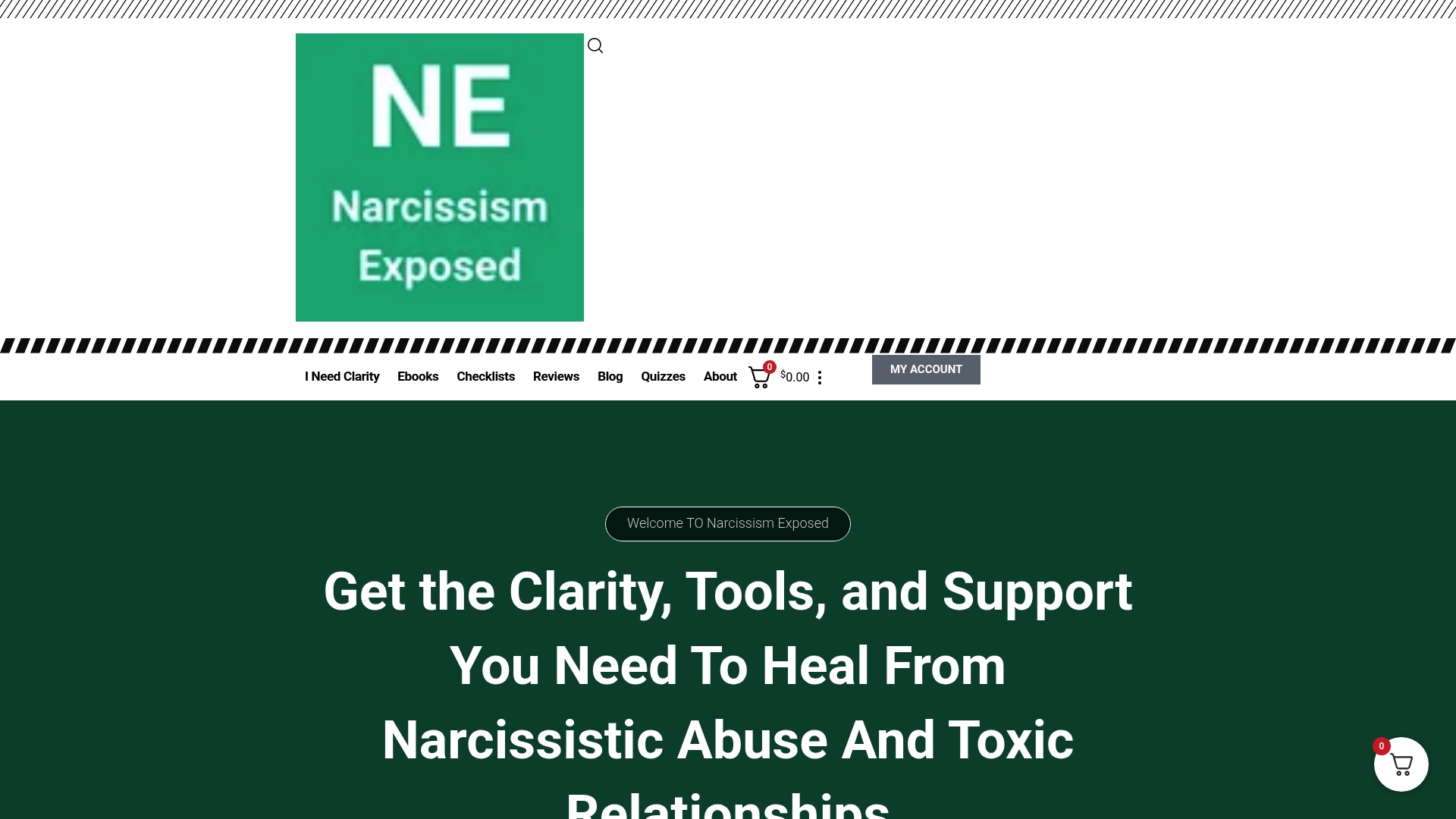
A dedicated abuse validation assessment pairs with guided workbooks and a community newsletter to support survivors. The site names Fahim Chughtai as a certified narcissistic abuse specialist. That combination makes the offering feel clinical and practical at the same time. Expect a mix of free resources and paid assessments.
Narcissism Exposed bundles educational articles, quizzes, and checklists with personalized assessments and downloadable worksheets for boundary setting. The site also lists coaching sessions and longer courses for people who want one on one guidance. Community touchpoints include a newsletter and social channels for ongoing contact.
The platform centers its content and tools specifically on recovery from narcissistic abuse and pairs assessments with guided exercises. That focus, plus the presence of Fahim Chughtai in program materials, gives the site a therapist adjacent tone rather than a general self help forum.
The site emphasizes expert led, trauma informed guidance and practical recovery tools that map directly to common survivor needs. Workbooks and checklists make it easier to practice boundary skills outside of sessions. The community newsletter and social presence keep members connected between assessments and coaching.
If you need legal advice or medical treatment, this site will not substitute for a lawyer or clinician. If you prefer fully free resources the paid assessments may feel restrictive. If you will not commit to regular worksheets and reflection, the tools will have limited effect.
People who suspect they face narcissistic abuse and want validation, structure, and practical exercises will find this useful. Survivors who respond to assessments and written work will get the most value. Caregivers and professionals seeking clearer definitions and worksheets can use the resources as reference.
A reader takes the abuse validation assessment and receives a tailored report that highlights trauma bonding signs. They download targeted worksheets and use them to write firm boundaries. At a later point they book a coaching session for help applying those boundaries in a difficult conversation.
Website: https://narcissismexposed.com
Explore these platforms offering unique tools and support for individuals recovering from emotionally challenging relationships.
| Product | Core Feature Highlights | Best For | Pricing | Notable Limitation |
|---|---|---|---|---|
| Smartreadshub | Curated psychological reading mapped to recovery stages | Individuals seeking in-depth, research-backed resources | Price not published | Lacks personalized coaching or therapy options |
| Unfilteredd | Free one-on-one support sessions and diverse articles | Individuals preferring guided, interactive online support | Price not published | No clinical therapy options or measurable efficacy metrics |
| Women’s Survivors Network | Trauma-informed workshops and survivor navigation | Survivors seeking long-term recovery and advocacy paths | Price not published | Early-stage programs may have limited availability |
| Narcissism Exposed | Assessments paired with guided recovery exercises | Those needing validation and structured tools for healing | Price not published | Certain useful features are locked behind a paywall |
People recovering from emotionally manipulative relationships often struggle to find clear language and trusted guidance tailored to their experience. Many face gaslighting, boundary violations, and narcissistic abuse without tools to name patterns or move forward confidently. Smartreadshub meets this need by offering deeply curated book recommendations and research-based content focused on these challenges.
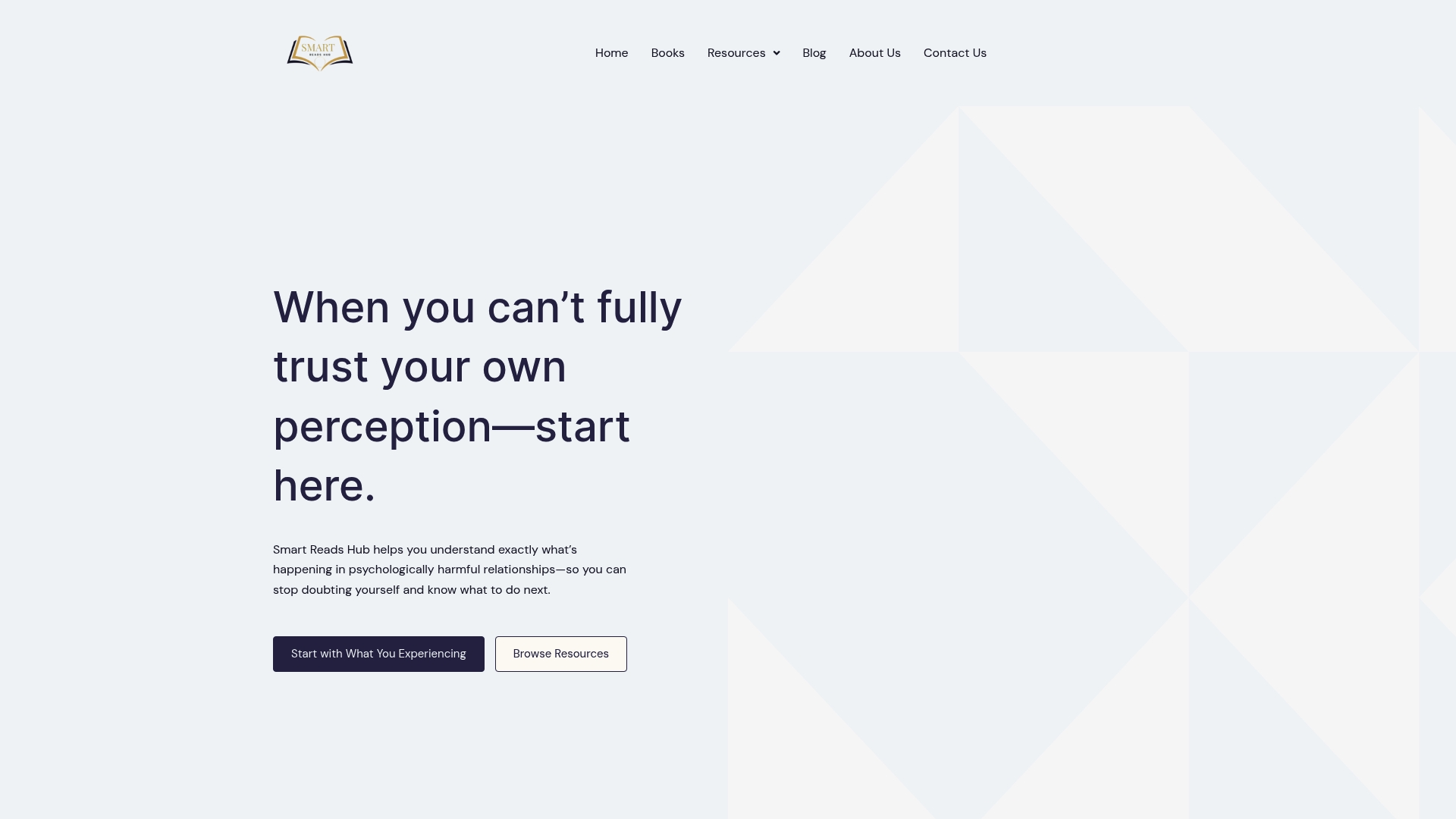
Explore Narcissistic Abuse Archives and Boundaries & Self Protection Archives at Smartreadshub. The site helps you recognize toxic behaviors and supports your progress with carefully selected readings and guidance at each recovery stage. Visit Smartreadshub now to find resources tailored to regain control and build healthier relationships.
Smartreadshub provides curated book lists focused on gaslighting, narcissistic abuse, manipulation, and boundary-setting. The site organizes resources by relationship pattern and recovery stage, helping readers find practical next steps. Individuals seeking clarity should explore the tailored guides offered to better understand their experiences.
Unfilteredd offers free one-on-one support sessions and a diverse mix of content formats. While Unfilteredd is great for interactive support, Smartreadshub excels at providing deeply curated, research-backed resources that focus on specific abusive behaviors. Readers looking for structured material should consider Smartreadshub for its focused reading paths and detailed guides.
Smartreadshub primarily emphasizes written materials, such as curated books and articles. Although it may not cater to audio-format preferences as extensively as other platforms, it provides valuable reading resources that serve as foundational knowledge for recovery. Individuals focused on detailed written guidance will benefit from the rich content available.
Women’s Survivors Network focuses on survivor navigation and peer connection through trauma-informed workshops and advisory services. These offerings aim to build long-term support pathways rather than just crisis response. Readers interested in peer-led environments can explore this innovative approach to survivor support.
Narcissism Exposed combines educational articles with personalized assessments and guided workbooks tailored for boundary setting. This structured approach allows survivors to validate their experiences and engage in practical recovery tools. Those seeking actionable steps in their recovery can find these resources particularly beneficial.