
Book subscription services can function as trauma-informed recovery tools: they reduce decision fatigue, create reading structure, and offer moderated communities where survivors feel seen. For anyone healing from psychological abuse, gaslighting, or a toxic relationship, those three roles matter more than the books themselves.
The core roles, briefly:
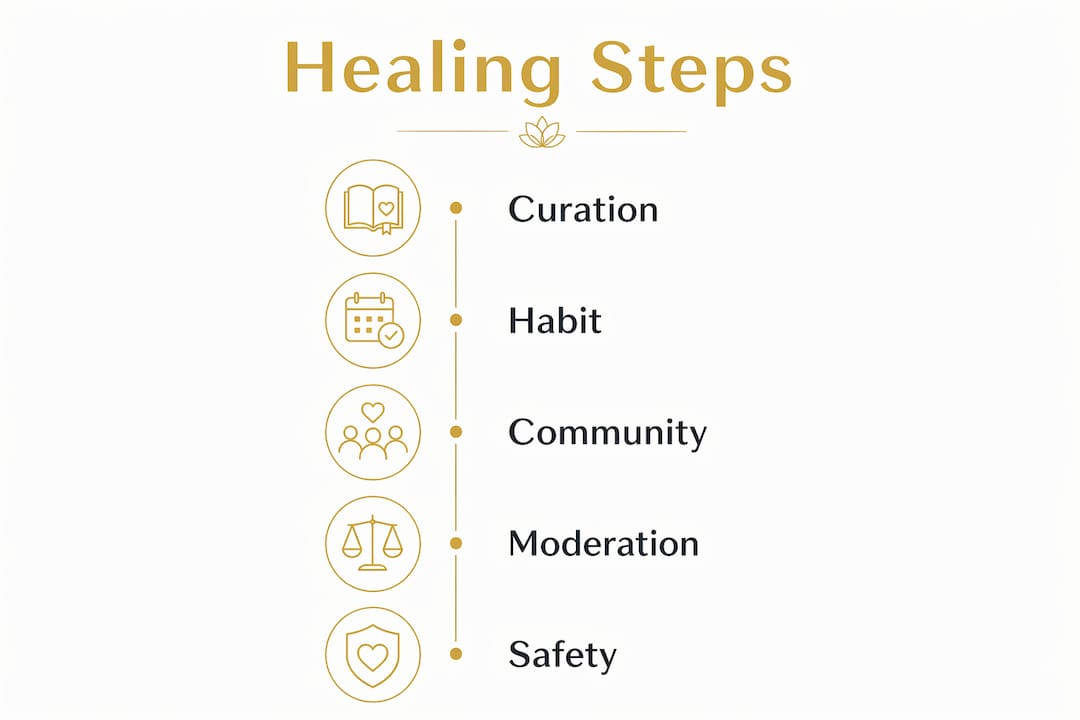
- Curation: Someone else filters the overwhelming catalog so you don’t have to
- Structure: A recurring delivery or reading schedule nudges a consistent habit
- Community and validation: Moderated discussion groups provide shared language and safe processing
One quick caution before you dive in: online reading communities can expose private details, some services deliver triggering content without warnings, and physical boxes accumulate fast. The “how to choose” section below covers how to screen for all three.
Table of Contents
- What role do book subscription services actually play?
- How subscriptions specifically support recovery from psychological abuse
- How do you choose a subscription service that’s safe for trauma recovery?
- Practical ways to build a subscription into your recovery routine
- What are the best alternatives to paid subscriptions for recovery reading?
- What risks should survivors know about before subscribing?
- Quick checklist before you subscribe
- Key Takeaways
- Why curation matters more than the subscription itself
- Smartreadshub offers trauma-aware reading without the recurring commitment
- Useful sources and further reading
What role do book subscription services actually play?
A book subscription service delivers curated books, reading plans, or community gatherings on a recurring schedule. The format varies widely, and that variation matters when you’re choosing one for recovery.
Common models:
- Physical book box: A monthly package with one or more books plus extras (bookmarks, candles, merchandise). High anticipation value; higher cost.
- Book-of-the-month selection: Members choose from a short list of curated titles each month. Book of the Month famously limits members to five choices monthly, pricing books between $13–$17 depending on plan, with a skip option.
- Digital subscription: eBook or audiobook access through a platform. Lower cost, immediate delivery, no physical accumulation.
- Moderated reading group: A facilitated book club, often online, with structured discussion schedules. Facilitator-led, question-driven groups consistently produce deeper engagement than passive social formats.
- Curation-only list: No delivery, no fee. Curated recommendations you access and purchase yourself.
Features worth checking before you subscribe: community access and moderation style, discussion schedules, editorial notes or reading guides, content warnings, and how easy it is to skip a month or cancel.

How subscriptions specifically support recovery from psychological abuse
Subscriptions help by reducing cognitive load and providing a safe, predictable structure. Both matter enormously when you’re managing the mental exhaustion that follows psychological abuse.
Curation relieves the paradox of choice. Survivors of narcissistic abuse often describe decision fatigue as a lasting symptom. Limiting monthly options to a handful, as curated services do, makes starting a book far easier than browsing an open catalog. Subscription services have increased digital book consumption, and perceived value drives subscriber retention, which suggests readers find real benefit in the curated model.
Habit-building nudges create gentle accountability. A scheduled delivery or a monthly reading prompt gives your week a small anchor. Reading consistently, even in short sessions, supports emotional processing. The psychology of books in healing is well-documented: structured engagement with narrative helps survivors externalize and examine their experiences.
Community and validation. Knowing thousands of readers are working through the same book creates a sense of shared experience without requiring you to disclose anything personal. Practitioners emphasize that structured, open-ended discussion prompts reduce social pressure and support safe exploration of difficult themes, which is exactly what survivors need.
Anticipation as self-care. The ritual of an unboxing, or simply the notification that a new title is ready, functions as a small, reliable pleasure. For people rebuilding a sense of self-worth, that kind of low-stakes positive anticipation adds up.
Statistic callout: Industry reporting finds that positive attitudes and perceived value are the primary drivers of subscriber retention, suggesting readers who feel genuinely served by curation stay engaged longer.
How do you choose a subscription service that’s safe for trauma recovery?
Prioritize trauma-informed moderation, clear trigger policies, customizable curation, and flexible cancellation before anything else.
Questions to ask before subscribing:
- Who moderates the community, and what are their credentials?
- Does the service publish a trigger warning or content advisory policy?
- Can you preview book selections before they ship or unlock?
- Is the group private, or are discussions visible to the public?
- How large is the community? (Smaller groups, roughly 6–12 members, allow everyone to contribute.)
- Can you set your own reading pace, or is there a fixed schedule?
- Is there a skip option, a pause feature, or a trial period?
- What is the refund or cancellation policy?
Why each criterion matters for survivors: Unmoderated communities can replicate the dynamics of toxic relationships, where louder voices dominate and quieter ones feel dismissed. A clear trigger policy prevents accidental re-exposure to content that mirrors your own trauma. Flexible cancellation removes the pressure of obligation, which is especially important for people rebuilding autonomy.
| Criterion | Healing-focused service | General subscription |
|---|---|---|
| Moderation | Trained facilitator, structured prompts | Volunteer or none |
| Trigger warnings | Explicit content advisories | Rare or absent |
| Curation style | Theme-specific or therapist-informed | Mass-market, algorithmic |
| Community size | Small, private groups | Large open forums |
| Format options | eBook, audiobook, physical | Usually physical only |
| Skip/cancel | Easy, no penalty | Varies widely |
Pro Tip: Trial a service safely by starting with a book-only plan. Observe the community for two full cycles before posting anything. Use a separate email address if privacy is a concern.
Practical ways to build a subscription into your recovery routine
Treat the subscription as one tool inside a ritualized reading habit, not as a reading obligation.
- Pair the delivery with a self-care ritual. When a book arrives, make tea, light a candle, or take a short walk first. The ritual signals to your nervous system that this is safe, restorative time. Many readers find that regular reading rituals compound over weeks into a genuine anchor for emotional stability.
- Use provided journaling prompts or worksheets after each session. If the service includes discussion guides, treat them as private prompts first. Write before you share.
- Read in short chunks. Twenty minutes of focused reading is more sustainable than marathon sessions when you’re managing stress.
- Use the skip feature without guilt. A month that feels too heavy is a valid reason to skip. The book will still exist later.
- Share selectively. If you want social discussion, consider sharing finds with a trusted friend rather than a large group. Smartreadshub’s guide on sharing book recommendations safely covers how to do this without overexposing yourself.
Sample journal prompt for processing relational trauma:
“What did this character believe about themselves that kept them in a harmful situation? Where do I recognize that belief in my own story? What would I tell them now?”
If a community discussion feels activating rather than grounding, step back without explanation. You owe no one a reason for protecting your own recovery.
What are the best alternatives to paid subscriptions for recovery reading?
Alternatives make more sense when budget is limited, clinical oversight is needed, or privacy is a priority.
| Option | Best for | Formats | Community | Curation | Cost | Support materials |
|---|---|---|---|---|---|---|
| Public library book-club kits | Budget, privacy | Physical, eBook | In-person or none | Librarian-selected | Free | Discussion guides included |
| Therapist reading list | Clinical integration | Any | None (solo) | Clinician-curated | Free | Therapist-guided |
| Free moderated forums | Community on a budget | Digital | Online, moderated | Crowd-sourced | Free | Varies |
| Smartreadshub curated lists | Recovery-specific reading | eBook, physical | Optional, private | Editorial, trauma-aware | Free or low-cost | Reading guides, prompts |
Practical places to look:
- Your local library’s book-club kit program (loanable copies plus discussion guides)
- Your therapist’s recommended reading list
- Smartreadshub’s emotional recovery reading lists and themed guides
- Free online communities with stated moderation policies
Prefer an alternative when you need a clinician involved in your reading choices, when a recurring monthly charge adds financial stress, or when you want to keep your reading entirely private.
What risks should survivors know about before subscribing?
Subscriptions can help, and they can also create risks that matter specifically for survivors.
- Triggering content without warnings. General book boxes rarely flag trauma-adjacent themes. Mitigation: Choose services with explicit content advisories, or preview selections before they unlock.
- Shallow or generalist curation. Mass-market boxes are built for broad audiences, not recovery-specific needs. Mitigation: Prefer topic-specific or therapist-informed curation over algorithmic picks.
- Reader’s guilt and TBR accumulation. Reviewers and long-form explainers document this consistently: unread books pile up, and the guilt compounds. Mitigation: Use skip features proactively. Treat each book as an invitation, not an assignment.
- Community dynamics that retraumatize. Large, unmoderated groups can replicate dismissive or domineering patterns. Mitigation: Test communities in observer mode before engaging.
- Privacy and data sharing. Online groups collect data; some are semi-public. Mitigation: Check privacy settings and moderation policies before joining.
Quick checklist before you subscribe
- Does the service have a trained or credentialed moderator?
- Is there a written trigger warning or content advisory policy?
- Can you preview book selections before committing?
- Are format options available (eBook or audiobook, not just physical)?
- Is there a skip or pause feature with no penalty?
- What is the trial period or cancellation policy?
- Is the community private, and how large is it?
- Is clinician involvement available or recommended for your situation?
If you’re unsure, start with a book-only plan or a free curated list from Smartreadshub before committing to recurring payments.
Key Takeaways
Book subscription services reduce decision fatigue, build reading habits, and offer moderated communities, but survivors need to screen for trigger policies, moderation quality, and cancellation flexibility before subscribing.
| Point | Details |
|---|---|
| Curation reduces cognitive load | Limiting monthly choices, as curated services do, makes starting a book easier when managing traumatic stress. |
| Moderation is non-negotiable | Facilitator-led, structured discussion groups produce deeper engagement and lower re-traumatization risk. |
| Risks are real and manageable | Triggering content, TBR guilt, and privacy gaps are documented downsides; skip features and observer mode mitigate them. |
| Alternatives often fit better | Libraries, therapist reading lists, and free curated lists suit survivors who need clinical oversight or budget flexibility. |
| Smartreadshub as a starting point | Smartreadshub’s trauma-aware curated lists offer recovery-specific reading without recurring fees or large public communities. |
Why curation matters more than the subscription itself
The conventional wisdom around book subscriptions focuses on the unboxing experience, the community buzz, and the monthly surprise. For survivors of psychological abuse, that framing misses the point entirely.
What actually helps in recovery is not the box. It’s the reduction of one more decision in a day already full of them. It’s the structured prompt that says “read this, then reflect on this,” rather than an open-ended scroll through thousands of titles. It’s a small group where someone has thought carefully about what language is safe to use and what questions open rather than close a conversation.
The role of reading communities in recovery is most powerful when curation is intentional and moderation is human. A mass-market box with a Facebook group attached is not the same thing as a thoughtfully assembled reading list paired with journaling prompts written for people processing relational trauma. Survivors deserve the latter, and they should hold out for it.
Smartreadshub offers trauma-aware reading without the recurring commitment
Most book subscription boxes are built for the general reader: broad appeal, mass-market titles, large open communities. Smartreadshub takes a different approach, one built specifically for people navigating gaslighting, narcissistic abuse, and toxic relationships.
Rather than a monthly box, Smartreadshub offers curated reading lists and recovery guides you can access without a recurring subscription. The curation is trauma-aware and editorially reviewed, with reading guides and journaling prompts designed for the specific emotional work of recovery. There are no waitlists, no accumulating unread books, and no large public forums where your story might feel exposed.
If you’re ready to start, the best books for emotional recovery list is a practical first step. For a broader entry point into the site’s recovery resources, the emotional recovery after abuse guide covers the full range of what Smartreadshub offers.
Useful sources and further reading
- The Sociological and Economic Architecture of the Global Reading Club Ecosystem in 2026 — Research on reading clubs as cultural intermediaries; useful for understanding library book-club kits and community formats.
- The Influence of Subscription Services on Book Sales and Reader Habits — Industry analysis of how subscriptions shape reading behavior and what drives subscriber retention.
- How Book of the Month Club Survived 100 Years — Fast Company’s account of how limiting choice became a competitive advantage; practical context for curation models.
- Are Book Subscription Boxes Worth It? — Honest review documenting cost, TBR overwhelm, and FOMO dynamics; useful for the risks section.
- How Do Book Clubs Work? — Practical explainer on formats, group size, and facilitation; good reference for moderation criteria.
- Smartreadshub: Why Psychology Books Aid Healing — Evidence-based guide to how psychology-focused reading supports trauma recovery; a natural companion to this article.
- Smartreadshub: How Books Empower Women Readers — Science-backed resource on reading as a tool for emotional growth and empowerment.
This article is general information, not clinical or therapeutic advice. For guidance specific to your situation, consult a qualified mental health professional or verify current resources with a primary source.