
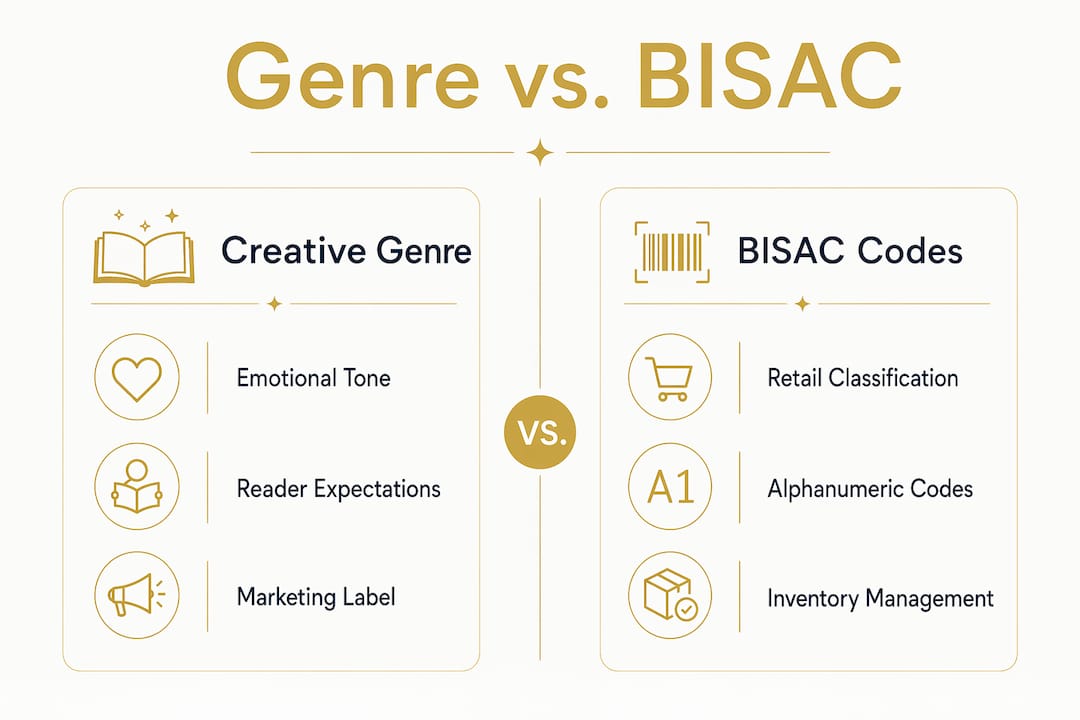
Book genres are assigned two ways at once: publishers choose a creative genre label, while industry systems like BISAC codes, Library of Congress subject headings, and retailer categories decide where you actually find the book. For readers recovering from psychological abuse or toxic relationships, knowing both layers means faster, safer discovery.
Start your search with these category labels:
- SELF-HELP / Abuse (BISAC code descriptor)
- SELF-HELP / Relationships
- PSYCHOLOGY / Psychopathology / Trauma
- BIOGRAPHY & AUTOBIOGRAPHY / Personal Memoirs
- SELF-HELP / Codependency
- FAMILY & RELATIONSHIPS / Dysfunctional Families
Paste any of those phrases directly into Amazon’s search bar, a library catalog, or Goodreads’ shelf search. You’ll cut through thousands of unrelated titles immediately.
Table of Contents
- How does the U.S. book categorization system actually work?
- Why categorization matters when you’re searching for healing books
- Which genres and BISAC codes most often contain healing books?
- How to search for healing books using genre and category systems
- Safety guidance: how to read healing books without retraumatizing yourself
- How Smartreadshub helps you find the right healing books
- Key Takeaways
- Reading while healing: an editorial perspective
- Where to find curated healing book lists on Smartreadshub
- Useful sources and next steps
How does the U.S. book categorization system actually work?
Understanding book genre classification starts with one key distinction: genre describes creative conventions (tone, style, narrative structure), while category is an organizational tool used by retailers and libraries to shelve and surface books. The two overlap but are not the same thing.
The BISAC system: the U.S. retail standard
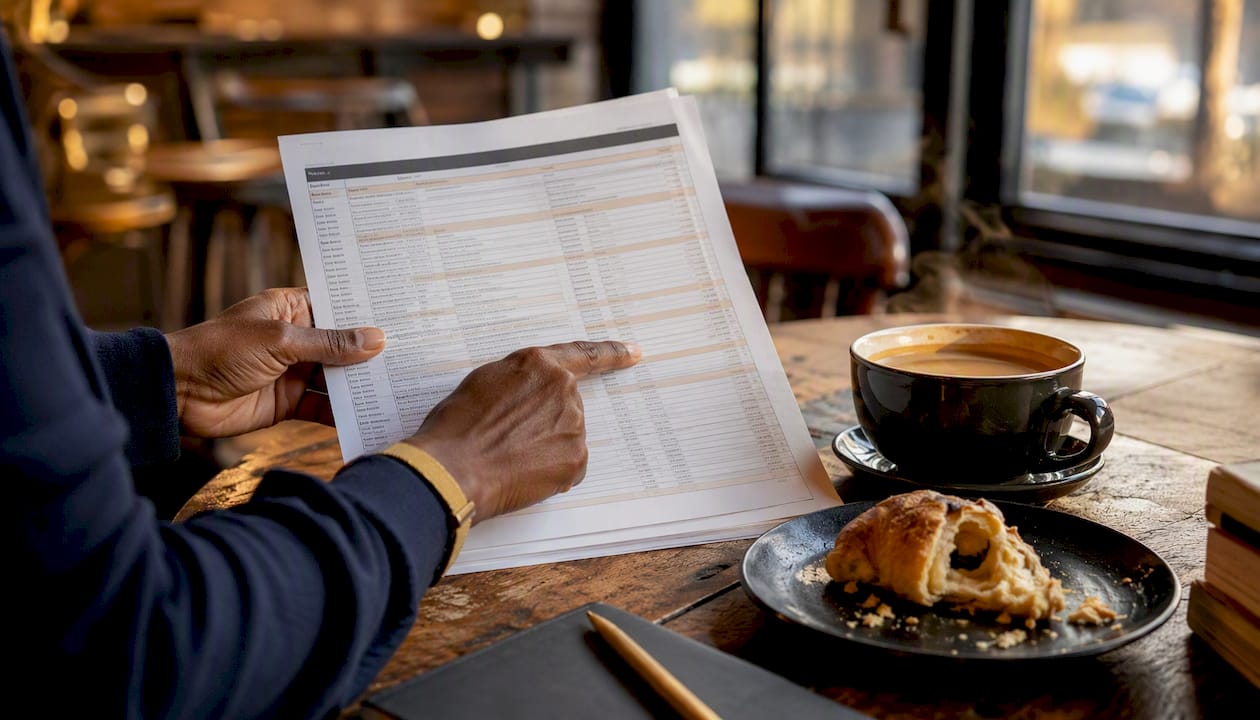
The primary U.S. standard is the BISAC subject code list, managed by the Book Industry Study Group (BISG). BISAC includes numerous major sections with hierarchically structured descriptors. Publishers assign these codes at the time of publication, and those codes directly determine where a book lands in retail and library browse paths. Most readers assume shelf organization is purely by genre; in practice, BISAC drives placement.
Each BISAC descriptor is a three-part tree represented by a nine-character alphanumeric code. BISG recommends no more than three headings per book, and best practice is to use the most specific applicable heading rather than a general one. A recovery memoir might carry both SELF-HELP / Abuse and BIOGRAPHY & AUTOBIOGRAPHY / Personal Memoirs simultaneously, which is an accepted tactic to reach different reader intents and maximize visibility.
How other systems compare
| System | Who manages it | Primary purpose | Scale |
|---|---|---|---|
| BISAC | BISG (U.S.) | Retail and library categorization | 54 major sections |
| Library of Congress | U.S. federal government | Library-centric classification | 21 main classes |
| Amazon browse categories | Amazon.com | Retail discoverability | over 16,000 distinct paths |
| Goodreads shelves | User community | Peer discovery and recommendation | User-generated, no fixed count |
Amazon’s browse categories include over 16,000 distinct paths and are built for discoverability, not strict literary taxonomy. That breadth is useful for browsing but can scatter recovery-focused titles across dozens of loosely related categories.
The Library of Congress uses 21 main classes and a subject-heading approach that differs meaningfully from BISAC. It’s library-centered, which means it’s excellent for catalog searches at a public library but less intuitive for Amazon or Goodreads browsing. Goodreads shelves are user-generated and subjective, not authoritative cataloging systems. They’re genuinely useful for tone-checking and peer recommendations, but a shelf called “narcissistic abuse recovery” reflects community consensus, not a publisher’s formal classification.
Why categorization matters when you’re searching for healing books
Genre is a promise. When a publisher labels a book as self-help, readers expect practical tools, structured advice, and a forward-looking tone. When that same book is actually a raw trauma memoir with no coping framework, the mismatch can be jarring, and for someone in early recovery, it can be genuinely destabilizing.
Mislabeling happens more than publishers would like to admit. A memoir about surviving a narcissistic partner might be shelved under general BIOGRAPHY & AUTOBIOGRAPHY / Personal Memoirs when its therapeutic content would make it far more discoverable under SELF-HELP / Abuse. The author’s story gets buried; the reader searching for recovery tools never finds it. Imperfect categorization is sometimes commercially intentional, a trade-off between reaching the widest audience and serving the most specific one.
Readers often conflate genre and category, which compounds the problem. Using both creative-genre terms like “trauma memoir” or “recovery guide” and formal cataloging phrases like “SELF-HELP / Abuse” in the same search produces far better results than either alone. Book discovery depends on knowing which vocabulary the system you’re searching actually responds to.
Which genres and BISAC codes most often contain healing books?
Publishers recovering-focused titles often balance emotionally raw memoir language with self-help labels to reach both therapeutic and general reading audiences. Here are the categories most likely to contain what you need, with the emotional tone each typically signals.
| Genre / BISAC descriptor | Typical tone | Best for |
|---|---|---|
| SELF-HELP / Abuse | Practical, structured, forward-looking | Readers wanting tools and frameworks |
| SELF-HELP / Relationships | Accessible, relational, boundary-focused | Readers examining relationship patterns |
| SELF-HELP / Codependency | Clinical-adjacent, introspective | Readers exploring attachment and people-pleasing |
| PSYCHOLOGY / Psychopathology / Trauma | Clinical, evidence-based | Readers wanting research-grounded explanations |
| BIOGRAPHY & AUTOBIOGRAPHY / Personal Memoirs | Raw, narrative, validating | Readers seeking “someone else lived this” recognition |
| FAMILY & RELATIONSHIPS / Dysfunctional Families | Relational, sometimes confrontational | Readers processing family-of-origin abuse |
A single book can carry multiple BISAC descriptors. When you find a title that fits one of these categories, check whether it also carries a second label. That second label often tells you whether the book leans clinical or narrative, which matters enormously when you’re deciding whether you’re ready for it. For a deeper look at what the self-help genre actually promises versus what it delivers, that distinction is worth understanding before you buy.
How to search for healing books using genre and category systems
A reproducible three-step workflow gets you to relevant, tone-verified titles faster than browsing alone.
-
Pick one or two BISAC-style descriptors from the table above. Start specific: “SELF-HELP / Abuse” outperforms a broad “self-help” search every time.
-
Run targeted searches across platforms using exact phrases. On Amazon, type the descriptor phrase in quotes: “narcissistic abuse recovery” or “trauma self-help.” In a library OPAC (online catalog), use subject heading search rather than keyword search and enter the BISAC descriptor directly. On Goodreads, search shelves using terms like “narcissistic abuse,” “codependency recovery,” or “gaslighting.”
-
Verify tone before you commit. Read the preview pages, not just the description. Scan reviews for words like “trigger warning,” “therapist-recommended,” or “too raw.” Check the author’s background: licensed therapists, clinical psychologists, and certified coaches signal a structured approach; a memoirist with no credentials signals a narrative experience. Both are valid, but they serve different needs at different stages of recovery. Goodreads lists curated by community members who identify as survivors are particularly useful for tone-checking.
Pro Tip: Combine a genre term with a specific abuse type in your search: “narcissistic abuse self-help” or “gaslighting recovery memoir.” This narrows results to books that name your experience directly, rather than general relationship or mental health titles.
For readers who want to go beyond the major retailers, the relationship book genre has its own subgenre logic worth understanding before you search.
Safety guidance: how to read healing books without retraumatizing yourself
Not every book labeled “recovery” is safe to read alone, at any pace, at any stage of healing.
Red flags in book descriptions or reviews:
- Language that minimizes or normalizes abusive behavior
- No trigger warnings despite graphic content about abuse
- Claims of a complete “cure” or rapid transformation
- No author credentials or professional background listed
- Reviews that describe the book as “too intense” or “overwhelming without support”
Read excerpts before purchasing. Set a pace limit: one chapter per sitting is a reasonable starting point. Pair reading with a support structure, whether that’s a therapist, a trusted friend, or a community group. If a book is surfacing memories or emotions that feel unmanageable, stop. That’s not failure; that’s good self-awareness.
Pro Tip: Before starting any recovery book, write down one sentence about what you hope to get from it. If the book isn’t delivering that within the first few chapters, it’s fine to set it aside. The right book at the wrong time can do more harm than good.
When reading alone isn’t enough, professional support is the right next step. Smartreadshub’s therapy platform comparison can help you find accessible options. This article is general information, not professional advice; confirm your specific situation with a qualified mental health professional.
How Smartreadshub helps you find the right healing books
Smartreadshub curates book recommendations specifically for readers navigating gaslighting, narcissistic abuse, and manipulation. Every list includes tone guidance, notes on emotional intensity, and context about the author’s background so you know what you’re walking into before you open the first page. The site covers both nonfiction recovery guides and fiction that helps readers process relational trauma through narrative distance.
What sets a Smartreadshub curated list apart from a generic Amazon category page is editorial intent. Each recommendation is selected with the reader’s emotional stage in mind, not just the book’s subject matter. A book that’s right for someone six months out of a toxic relationship may not be right for someone who left last week. Those distinctions matter, and they’re built into how the site organizes its reading plans. For readers exploring attachment and emotional labor in relationships, the curated lists include titles that address both the psychological mechanics and the lived experience.
Key Takeaways
Book genres are categorized through two parallel systems: creative genre labels set reader expectations, while BISAC codes and retailer categories determine where books are actually found.
| Point | Details |
|---|---|
| Genre vs. category | Genre sets emotional expectations; BISAC codes and retailer systems determine where books are shelved and found. |
| Best BISAC labels to search | Start with SELF-HELP / Abuse, PSYCHOLOGY / Psychopathology / Trauma, and BIOGRAPHY & AUTOBIOGRAPHY / Personal Memoirs. |
| Multi-label searching | A single recovery book often carries two or three BISAC descriptors; searching both labels finds more relevant titles. |
| Safety before you read | Check author credentials, read excerpts first, and scan reviews for trigger warnings before committing to a book. |
| Smartreadshub curated lists | Smartreadshub organizes recovery reading by emotional stage, with tone notes and credential checks built into every recommendation. |
Reading while healing: an editorial perspective
The conventional wisdom says “just read more self-help.” That advice misses something. The category label on a book’s spine tells you almost nothing about whether that book is right for you, right now. A trauma memoir that transforms one reader can destabilize another who isn’t ready for that level of rawness. The BISAC system is genuinely useful for finding books, but it was designed for retail placement, not therapeutic sequencing.
What I think matters most for readers in recovery is the question of readiness, not just relevance. A book can be perfectly categorized under SELF-HELP / Abuse and still be the wrong choice at the wrong moment. The most responsible thing a curated resource can do is tell you not just what a book is about, but what it asks of you emotionally. That’s the gap that most category systems, however well-structured, simply aren’t built to fill.
Where to find curated healing book lists on Smartreadshub
Smartreadshub’s emotional recovery reading lists are organized by topic and emotional intensity, covering narcissistic abuse, gaslighting, codependency, and trauma recovery. Each list includes editorial notes on tone and author background.
If you’re not sure where to start, the best books for emotional recovery after a breakup list is a practical entry point: it’s organized by reading stage and includes titles across memoir, self-help, and psychology categories.
Useful sources and next steps
- BISG BISAC FAQ: the authoritative source for BISAC subject codes, how they’re structured, and how publishers assign them
- Library of Congress Classification: overview of the 21 main classes and how library subject headings differ from BISAC
- Goodreads shelves: explanation of how user-generated shelves work and their limits as a discovery tool
- Automated genre classification research: how AI tools like BERT and image models are being used to improve hybrid-book classification
- Novel with AI: publishing technology resource covering how machine learning is changing genre tagging in the industry
Next steps for library users: Ask your librarian to run a subject heading search using the BISAC-style descriptors above. Most public library OPACs respond to subject heading searches, and a librarian can pull a list of holdings that match a specific descriptor like “Psychological abuse” or “Codependency” directly from the catalog.