Finding books by women authors is most effective when you combine curated reading lists, literary award tracking, and specialized associations rather than relying on bestseller charts alone. The right tools exist. Most readers simply do not know where to look. Platforms like The Story Exchange, the Women’s Fiction Writers Association (WFWA), and UCL Press each offer distinct entry points into literature written by women across every genre. This guide shows you exactly how to use each one, plus how to layer them together for the broadest possible reading experience.
Curated reading lists are the fastest way to discover books written by female authors organized around themes that actually matter to you. Generic bestseller lists bury women’s voices under commercial noise. Themed lists cut through that.
The Story Exchange publishes seasonal reading collections that group women’s books by mood, season, and subject. Their winter reading and spring healing selections feature authors you will not find on a standard Amazon recommendation page. Each list reflects a clear editorial point of view, which means less scrolling and more reading.
Women-led narratives frequently address themes like economic agency, self-acceptance, and systemic inequality. That thematic depth is exactly what makes curated lists so useful. A list built around “healing” or “empowerment” will surface books that share a genuine emotional thread, not just a marketing category.
Here is what to look for in a strong curated list:
Pro Tip: Subscribe to literary newsletters from sources like The Story Exchange or literary magazines like Ploughshares. Newsletter editors often surface debut women authors months before they appear on any mainstream list.
Literary awards are the most reliable quality filter for books by women authors across genres. Award committees read widely and apply consistent standards. That work saves you time.
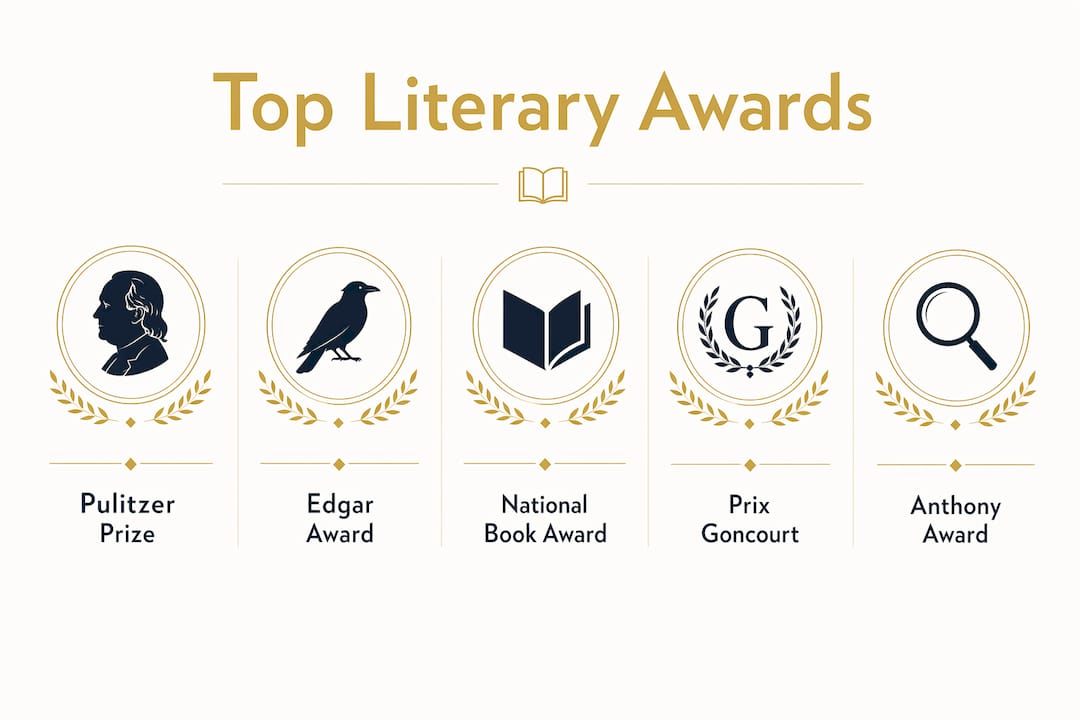
Four awards stand out for readers tracking female author book recommendations. The Edgar Award (Mystery Writers of America) recognizes the best in crime and mystery writing, a genre where women authors like Tana French dominate. The Anthony Award (Bouchercon World Mystery Convention) is voted on by readers, making it a strong signal of genuine audience enthusiasm. The Macavity Award (Mystery Readers International) covers mystery and crime across multiple categories. The Prix Goncourt in France regularly honors women authors writing in French, and its winners often appear in English translation within a year or two.
Tana French’s novels have sold over 8 million copies and won multiple awards including the Irish Book Award. That track record shows how award recognition compounds over time, building a body of work worth reading in sequence.
Here is how to use awards as a discovery tool:
Award lists also work well for finding books on women history. The Pulitzer Prize for History and the National Book Award for Nonfiction regularly honor women authors writing about women’s historical contributions. Kate Williams’ Regina is one example of a book that enriches understanding of female power and history in ways that male-focused narratives miss entirely.
Specialized associations give you access to women authors at every stage of their careers, including writers who have not yet broken into mainstream visibility.
The Women’s Fiction Writers Association (WFWA) is the most structured resource of its kind in the United States. WFWA hosts workshops, critique groups, and contests including the STAR and RISING STAR awards, plus an annual Women’s Fiction Day. These programs develop emerging writers and make their work visible to readers before traditional publishing catches up. Following WFWA’s award announcements is one of the best ways to find female authors before they become household names.
UCL Press offers a different kind of resource. Their Women in the History of Science collection provides primary historical sources spanning from 1200 BCE to the present, with texts and images arranged by period. This is not a reading list. It is a structured academic archive that lets you trace women’s intellectual contributions across millennia. For readers who want to find books on women history grounded in primary evidence, this resource is unmatched.
Academics emphasize that liberating the curriculum by centering women’s voices requires looking beyond mainstream libraries to specialized archives. That principle applies directly to readers, not just scholars.
Here is a step-by-step approach to using associations and archives:
Pro Tip: Search your local library’s digital catalog using subject headings like “women authors” combined with a genre term. Library subject headings are more precise than retail search algorithms and will surface books that online stores bury.
A multi-pronged approach prevents missing diverse and niche voices that no single method captures on its own. Each strategy has a different strength. Combining them gives you full coverage.
The most common mistake readers make is relying solely on popular bestseller lists. Bestseller charts reflect marketing budgets as much as literary quality. Women authors writing in niche genres, translated works, or academic presses rarely appear there. Authors like Leila Slimani gain international acclaim but require proactive searching outside standard recommendation algorithms. Translation expands access to women’s voices that English-language platforms systematically underrepresent.
Here is a comparison of the main discovery approaches:
| Approach | Best For | Key Limitation |
|---|---|---|
| Curated seasonal lists (The Story Exchange) | Thematic discovery, mood-based reading | Focused on contemporary authors |
| Literary award tracking (Edgar, Goncourt, Booker) | Quality-filtered fiction and nonfiction | Skews toward already-published names |
| Specialized associations (WFWA) | Emerging and debut women authors | Requires active engagement |
| Academic archives (UCL Press) | Historical and nonfiction women’s writing | Less useful for fiction readers |
| Translated works search | International and non-English women authors | Requires deliberate effort to locate |
The practical method is to rotate between these sources on a monthly basis. Spend one month following award shortlists. The next month, browse a thematic curated list. The month after, check WFWA’s latest contest winners. This rotation keeps your reading list from calcifying around the same five authors.
Book discovery is itself a skill that improves with practice. The more deliberately you search, the more your instincts sharpen for recognizing quality work by women authors across every genre.
The most effective way to find books by women authors is to combine curated lists, award tracking, and specialized associations rather than relying on any single source.
| Point | Details |
|---|---|
| Use curated seasonal lists | The Story Exchange organizes women’s books by theme and season, cutting through commercial noise. |
| Track literary awards | Edgar, Anthony, Macavity, and Goncourt winners reliably signal quality across fiction and nonfiction. |
| Engage with WFWA | The Women’s Fiction Writers Association surfaces emerging female authors before mainstream publishing does. |
| Explore academic archives | UCL Press’s Women in the History of Science collection provides primary sources spanning millennia. |
| Seek translated works | Authors like Leila Slimani require deliberate searching outside algorithm-driven platforms. |
I have spent years watching readers say they want to read more women authors, then immediately reach for the same bestseller list they always use. That list is not curated for discovery. It is curated for sales.
The readers who actually build rich, diverse libraries of women’s writing do something different. They follow award shortlists obsessively. They subscribe to two or three literary newsletters. They check WFWA’s contest winners once a year. None of this takes more than an hour a month. The payoff is a reading life that feels genuinely surprising.
What I find most underused is the translated works category. Readers who limit themselves to English-language women authors are missing an enormous body of work. Leila Slimani, Sayaka Murata, and Han Kang each offer perspectives that no American or British author replicates. Getting to those books requires stepping outside the algorithm, but the step is small. A university press catalog or a library subject search is all it takes.
The broader point is this: women’s literary contributions have been systematically underrepresented in mainstream channels for a long time. Historians argue that the misconception that women’s history focuses on personality rather than economic and social facts has diminished appreciation for women’s actual impact. The same bias shows up in book recommendations. Correcting it is not a political act. It is just good reading practice.
If you want a reading list built around self-discovery, many of the strongest titles in that category are written by women. That is not a coincidence. It reflects the depth of insight that women authors bring to interior experience.
— Robert
Smartreadshub has built a library of curated book lists specifically for readers who want literature that does more than entertain.
The collections at Smartreadshub focus on books that address emotional recovery, self-discovery, and healing, and a significant portion of those recommendations are written by women authors who have lived the experiences they describe. Whether you are looking for books on emotional recovery after a difficult relationship or want to explore the full range of curated books across genres, Smartreadshub organizes those recommendations by theme so you spend less time searching and more time reading. Browse the full collection and find your next book today.
The Story Exchange publishes regularly updated curated lists organized by theme and season, making it one of the most practical starting points. For emerging authors, the Women’s Fiction Writers Association (WFWA) surfaces new voices before they reach mainstream visibility.
Awards like the Edgar, Anthony, Macavity, and Prix Goncourt apply consistent editorial standards across large reading pools. Tracking their shortlists, not just winners, gives you a reliable quality filter across fiction and nonfiction.
UCL Press’s Women in the History of Science collection provides primary sources from 1200 BCE to the present. For classic fiction, library subject headings using “women authors” combined with a period or genre term return more precise results than retail search engines.
Authors like Leila Slimani and Han Kang require deliberate searching outside standard recommendation algorithms. University press catalogs, the International Booker Prize shortlist, and library subject searches are the most reliable methods for locating translated works by women.
WFWA’s STAR and RISING STAR award winners represent some of the strongest emerging voices in women’s fiction. Following their annual announcements gives you access to debut authors months or years before traditional publishing channels promote them widely.