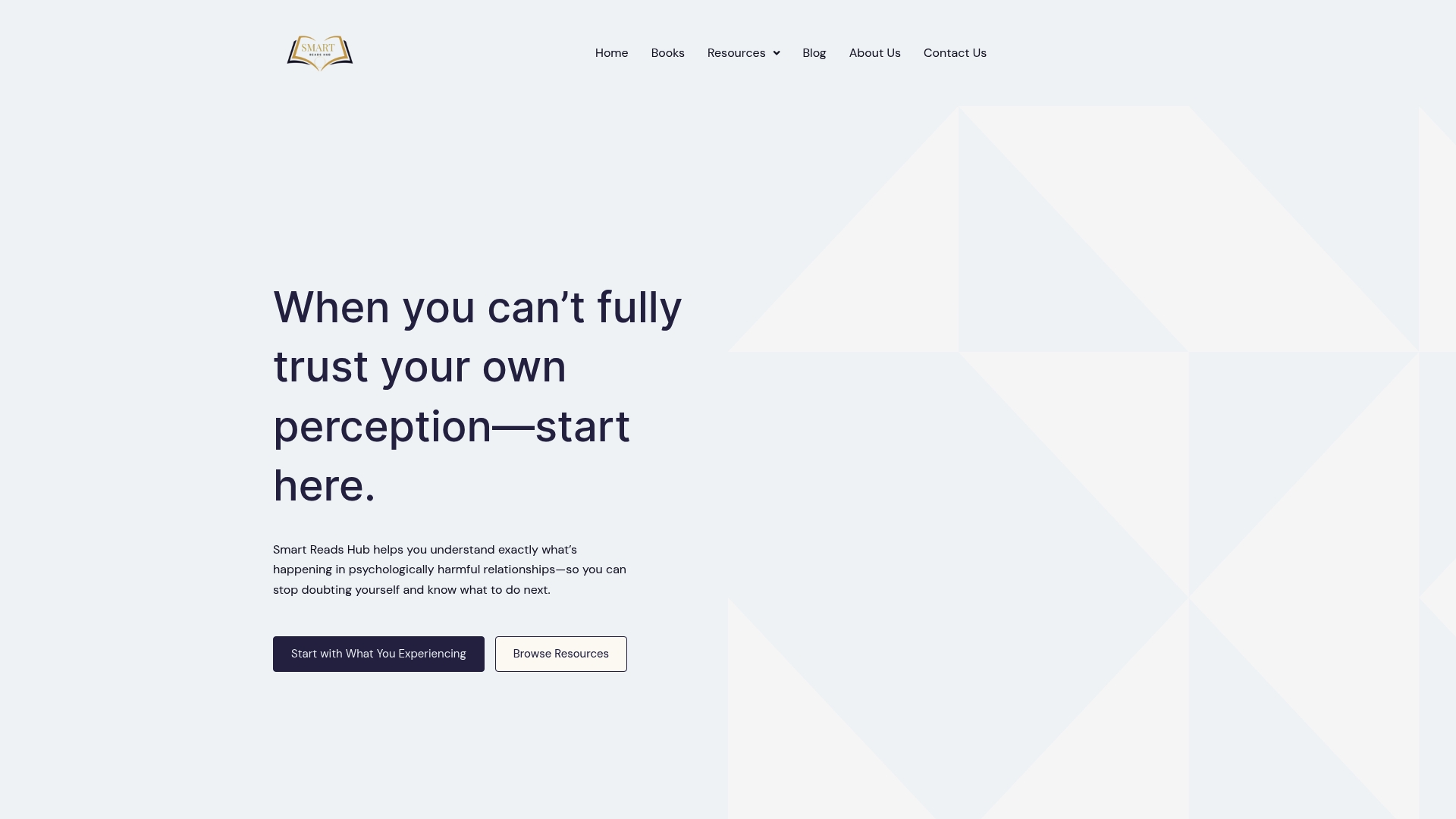
Sorting through book recommendation sites often means wading past algorithm-only picks, lists with vague credibility, or entries that lack context from real people or research. Most platforms either rely on anonymous ratings or skip tangible filters like topic relevance or named endorsements, which makes it harder to find actionable titles for niche needs. This comparison lets you decide which site connects clear explanations, curated lists, and community-driven choices to your preferred reading workflow.
Founded by researcher Robert Hertel, Smart Reads Hub pairs research-rooted breakdowns of manipulation, gaslighting, and narcissistic patterns with curated reading lists and practical guides. The site stresses precise language so readers can identify patterns and make clearer personal decisions without clinical diagnosis.
In-depth articles that explain manipulation, narcissistic abuse, gaslighting, and relationship patterns with layered examples and plain language.
Book recommendations curated to match topics like recovery, boundary setting, and trauma-informed reading so you can move from concept to reading quickly.
Structured guides and tools that outline signs, response steps, and journaling prompts for spotting harmful behavior and planning next moves.
A focus on precise wording and resources designed for self-guided learning rather than therapy referrals.
The clearest difference is the combination of research-based explanation and direct resource links. Instead of brief blog posts, entries connect concise psychological framing to specific books and stepwise guides so readers can act on the idea without hunting disparate sources.
This approach makes the site a reference you can use when drafting messages, preparing for a conversation, or compiling notes for a professional.
Deep, nuanced explanations help you label behaviors accurately. Those labels shorten the time it takes to spot recurring patterns.
Wide resource range means you can switch from an article to a recommended book or a structured worksheet in one session.
Designed for self-guided understanding, which suits people who prefer reading and reflection over immediate live support.
Accessible language keeps complex concepts readable for nonexperts while preserving technical detail for readers who want more depth.
Free access lowers the barrier for someone who needs immediate clarity without a paid membership.
Self-motivated individuals dealing with manipulation, narcissistic patterns, or emotional harm who want research-informed context and concrete reading or worksheet suggestions. It fits people preparing to set boundaries, gather evidence for therapy, or learn precise language for conversations.
The site links research summaries to targeted reading lists and stepwise guides so you can progress from understanding to action in one place. That means less time cross-checking and more time applying the insight to real interactions and support planning.
A reader suspects gaslighting. They read the hub’s article that lists common phrases and gaslighting moves, use the worksheet to log incidents, and follow the recommended books on recovery. With notes in hand, they start a boundary conversation and bring organized examples to a therapist.
Website: https://smartreadshub.info
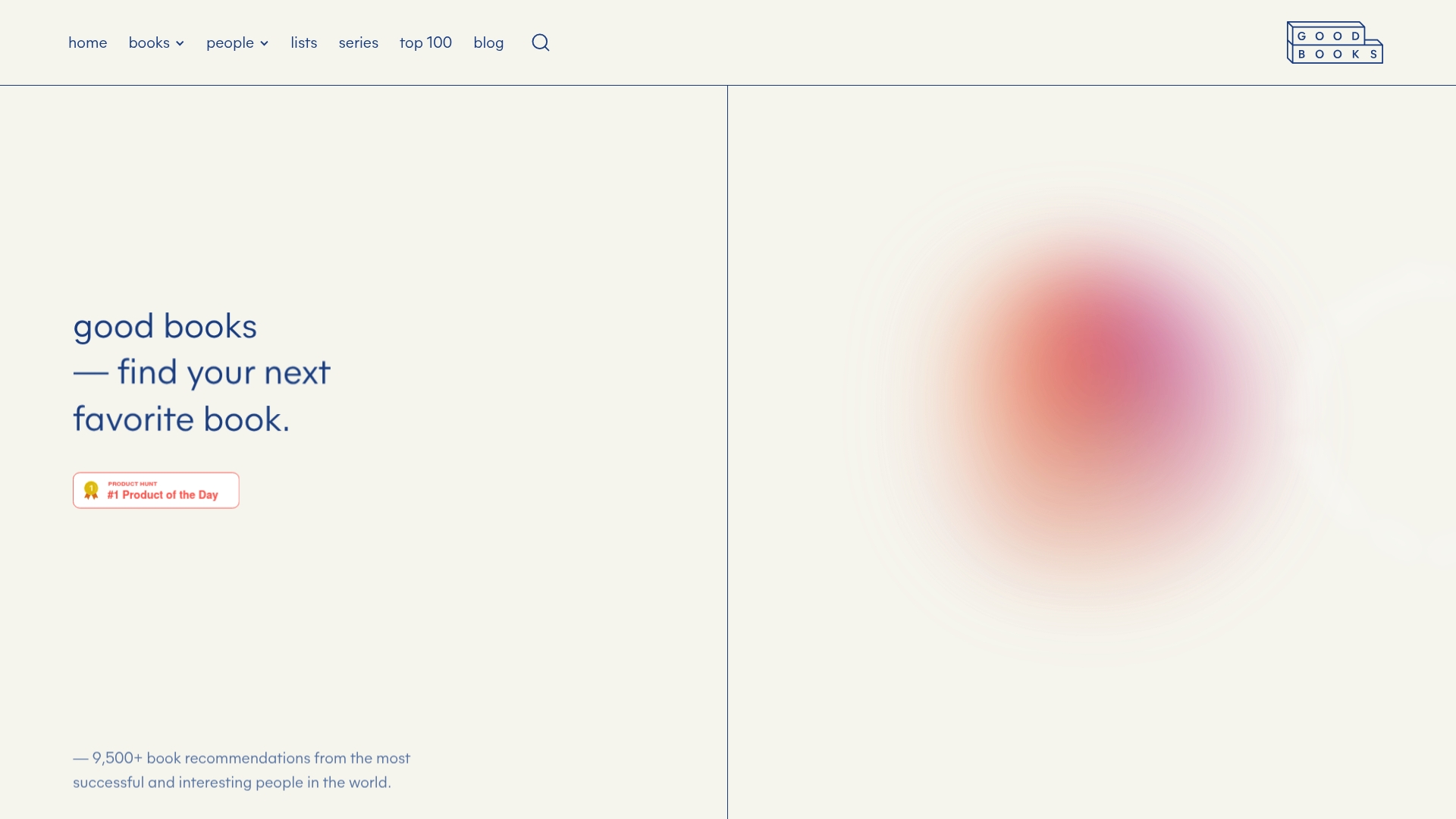
Endorsements from prominent industry figures anchor Good Books’ curated reading lists, giving a visible trail from recommendation to recommender. The site pairs those endorsements with genre filters and mobile support so you can follow a list on your phone or desktop.
Good Books centers named endorsements as the organizing signal for discovery, rather than relying solely on algorithmic popularity or anonymous ratings. That human-first framing helps you find books recommended by people you already follow or respect.
Useful for focused reading plans when you want titles recommended by recognizable people rather than anonymous scores.
The interface feels clean and straightforward, which makes scanning lists and saving titles quick and low friction.
Filtering works well for separating fiction from non fiction and for narrowing to industry-specific lists.
Community endorsements add context. Seeing which leader recommended a title changes how you prioritize a list.
Mobile support means you can pull up a recommended reading list during a commute and add books to your queue.
Third-party coverage appears limited; the product data cites mainly Product Hunt feedback rather than a broad review base.
Several user notes mention dissatisfaction with the iOS app experience, which may affect on-the-go usage.
There is no detailed public information about a subscription model or paid tiers in the available product data.
If you want a marketplace-style comparison that aggregates reader reviews, price checks, and broad retailer links, Good Books will feel narrower. Likewise, readers who rely on an app-first workflow should be cautious until the iOS experience matches the web experience described.
Avid readers and professionals who prefer curated lists backed by named endorsers and who value human curation over raw popularity metrics. Best when you want reading recommendations tied to people you follow in business, design, or science.
An entrepreneur assembling a three-month learning plan uses Good Books to collect titles recommended by industry leaders. They filter by business and strategy lists, save five books to their mobile queue, and use the endorsements to justify time spent on each title.
Website: https://goodbooks.io
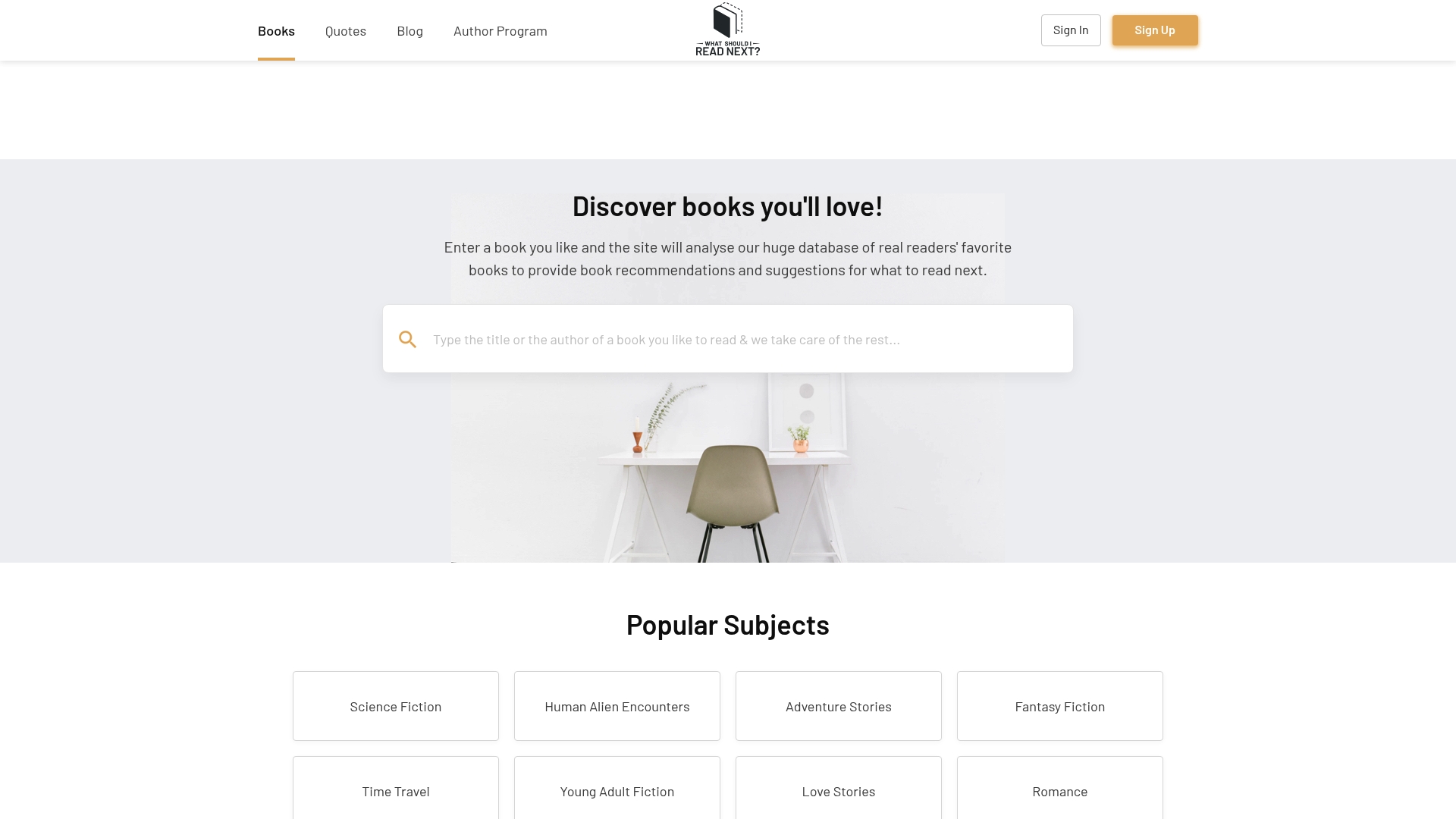
WhatShouldIReadNext centers its recommendations on a collaborative filtering method called Incidence Bias Weighting that leverages collective reader favorites to suggest next reads. Enter one or more books and the site returns titles, lets you build shareable lists, and hosts monthly author Q&A sessions.
The site focuses on reader-driven discovery and community features.
The primary difference is the algorithm. WhatShouldIReadNext uses Incidence Bias Weighting to weigh patterns in readers’ favorites rather than relying solely on metadata or editorial picks. That focus on collective taste nudges suggestions toward titles readers have paired together, which changes the mix compared with purely genre or bestseller lists.
If you need critic-driven comparisons or consolidated ratings from multiple review sites, this platform will feel incomplete. Also, readers who prefer algorithm-free editorial lists may not like the community-weighted suggestion model. For highly obscure titles, the database coverage can limit suggestions.
Readers who prefer community-flavored recommendations and enjoy curating shared lists. It fits book clubs, readers exploring cross-genre matches, and authors or publishers who want a grassroots view of paired-title preferences.
You type “The Hunger Games” and receive suggestions like “Catching Fire” and other survival-driven or dystopian picks that community members frequently pair with it. You save a list, share it with your club, and drop into the next author Q&A to ask about thematic choices.
Website: https://whatshouldireadnext.com
Selecting the right book recommendation platform involves examining its features, usability, and unique delivery style to align with readers’ goals. Below, we compare Smart Reads Hub, Good Books, and WhatShouldIReadNext to highlight their strengths and fit scenarios.
Smart Reads Hub excels in integrating research-based psychological concepts with curated book recommendations and practical guides. It stands out for its precise explanations on manipulation and emotional dynamics, enabling readers to identify behaviors and apply insights personally or professionally.
Good Books, on the other hand, emphasizes endorsements from prominent figures, crafting reading lists attributed to known personalities in business, design, and science. This community-driven credibility benefits readers prioritizing influence-backed recommendations.
WhatShouldIReadNext capitalizes on algorithm-based collaborative filtering using Incidence Bias Weighting, presenting books based on the choices of other readers. This grassroots approach uncovers unconventional pairings, useful for exploring thematic connections.
Only WhatShouldIReadNext hosts monthly live author Q&A sessions, fostering direct interaction that deepens reading experiences. Additionally, its list-sharing capabilities suit collaborative environments such as book clubs.
Good Books also incorporates community aspects by allowing mobile-based list navigation, enhancing convenience during commutes or casual browsing.
Smart Reads Hub, while lacking direct interaction features, focuses on self-guided tools complemented by educational materials, targeted at readers seeking independence in exploring emotional health.
Smart Reads Hub: For individuals eager to delve deeper into understanding manipulative behavior and equip themselves with reading material, worksheets, and guidance grounded in psychological research.
Good Books: Ideal for those who prefer exploring books endorsed by credible public figures, particularly in professional fields like business and design.
WhatShouldIReadNext: Recommended for readers who enjoy community-driven discovery and forming shared lists with friends or clubs to explore collective reading patterns.
Across the spectrum, Smart Reads Hub uniquely merges in-depth behavioral explanations with learning paths that transition into curated book lists and structured tools. This makes it the preferred option for self-motivated readers focusing on personal growth or boundary setting. However, users looking for live discussion platforms or influencer-driven book lists might find WhatShouldIReadNext or Good Books better aligned with their interests.
For readers seeking an in-depth understanding coupled with actionable resources, the table below compares leading platforms based on their top features and focus areas.
| Platform | Core Feature | Key Differentiator | Best For | Notable Limitation |
|---|---|---|---|---|
| Smart Reads Hub | In-depth articles and guides | Links actionable reading lists to research explanations | Self-guided learners needing precision | Does not offer clinical diagnosing or therapy services |
| Good Books | Curated recommendation lists | Recommendations backed by named endorsers | Readers seeking human curation | Limited app functionality as per user feedback |
| WhatShouldIReadNext | Algorithm-based book suggestions | Uses “Incidence Bias Weighting” for recommendations | Community-driven recommendation seekers | Dependent on user-provided inputs and database completeness |
Struggling to find trustworthy alternatives to readupnext.com? Many readers face confusing choices and scattered recommendations when trying to pick their next book. Smartreadshub tackles this challenge by combining clear, research-backed insights with handpicked reading suggestions and practical guides designed to help you understand and act on your reading goals without endless searching.
Explore how Smartreadshub’s digital book discovery platform connects you to curated book reviews and resources tailored for thoughtful readers. Visit Smartreadshub today and unlock a new way to discover titles with confidence and purpose. Don’t let guesswork hold you back — check out Smartreadshub now to step into focused, research-aligned reading that suits your needs.
Smart Reads Hub provides in-depth articles that explain manipulation, narcissistic abuse, and gaslighting with layered examples and plain language. This research-based approach allows readers to accurately label harmful behaviors, making it easier to navigate their relationships. Readers looking to define these patterns will find Smart Reads Hub particularly useful.
Good Books excels in its curated recommendations backed by endorsements from prominent industry figures, providing credibility for book selections. While Good Books focuses on named endorsements and filtering options, Smart Reads Hub offers structured guides and resources tailored specifically for understanding emotional abuse. Choose Smart Reads Hub for a deeper understanding of harmful behaviors, while Good Books caters to those seeking recommendations from respected figures.
Smart Reads Hub provides structured guides and tools that outline signs of manipulation, response steps, and journaling prompts. This focus on self-guided learning enables users to reflect and gain insights without the immediate need for therapy. Those looking to educate themselves on these topics will appreciate the comprehensive support that Smart Reads Hub offers.
Yes, Smart Reads Hub offers free access to its resources, reducing barriers for individuals seeking immediate clarity on manipulation and gaslighting. This no-cost model allows readers to explore essential topics without any financial commitment. Keep in mind, however, that complex situations may still require professional support beyond its educational materials.
WhatShouldIReadNext specializes in providing book recommendations based on collective reader favorites, enhancing discovery for niche topics. While it leverages reader input for suggestions, Smart Reads Hub offers more focused guidance on manipulation and emotional health. Choose Smart Reads Hub for targeted insights into relational dynamics, while WhatShouldIReadNext is ideal for broader reading suggestions across genres.